
Welding Robots & Automation
Welding Equipment for Defense
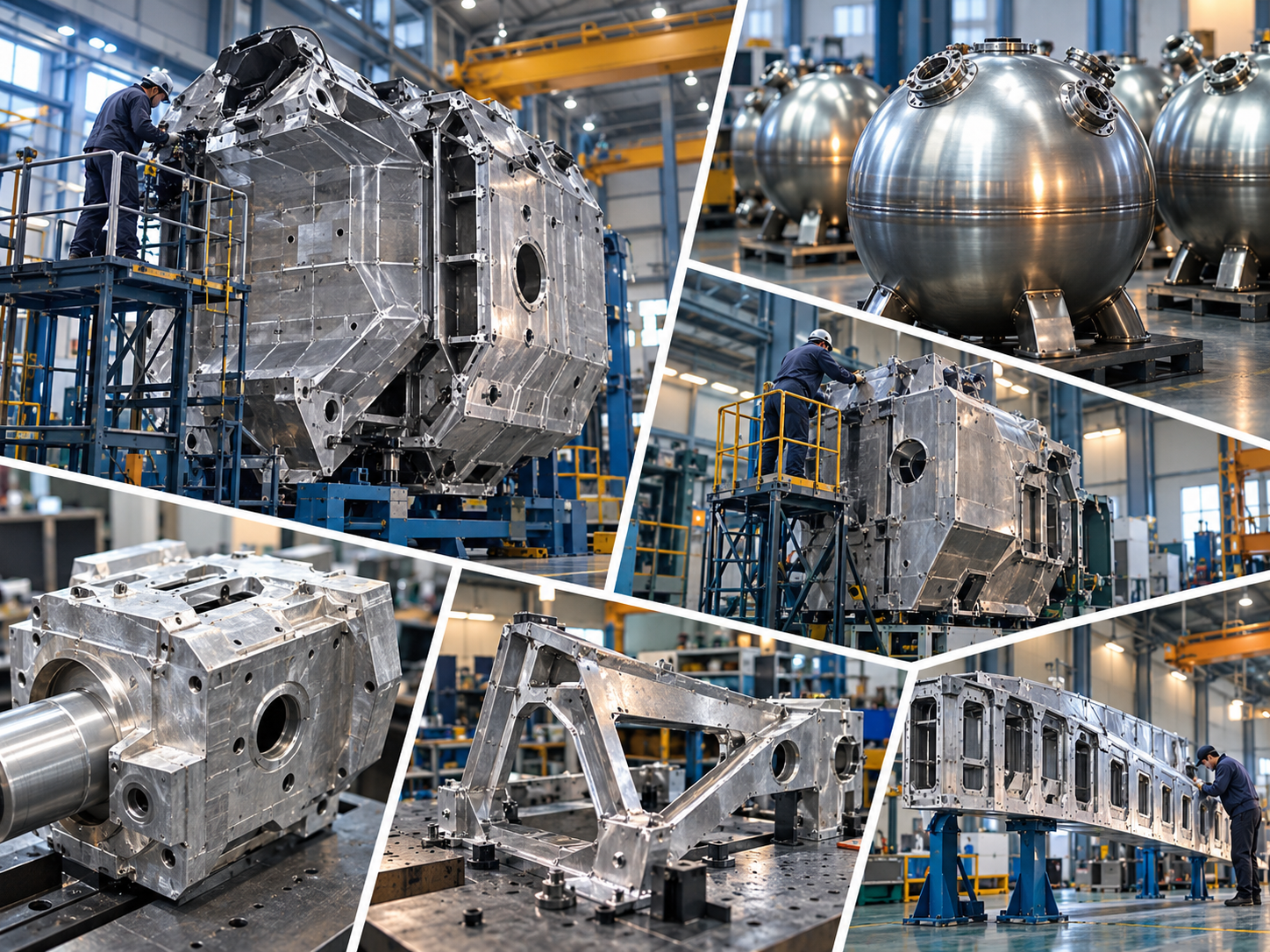
Lightweight structures and precision components for defense applications require a high level of manufacturing reliability, covering weight reduction, structural strength, dimensional accuracy, and leak tightness. In particular, aluminum alloys and specialty metals are sensitive to thermal distortion and weld defects. Precise process design that accounts for material properties and structural geometry is therefore important. MUTRON uses laser, electron beam, and precision arc welding to develop processes suited to component geometry, materials, and strength requirements. Dedicated jigs, positioning units, and precise drive and control systems deliver consistent weld quality and reproducible processes for applications ranging from large structures to precision components. We also link process automation, monitoring, and quality control technologies. In this way, we go beyond standalone equipment to deliver high-reliability welding automation solutions optimized for defense manufacturing environments.
Electron Beam Welding (EBW)
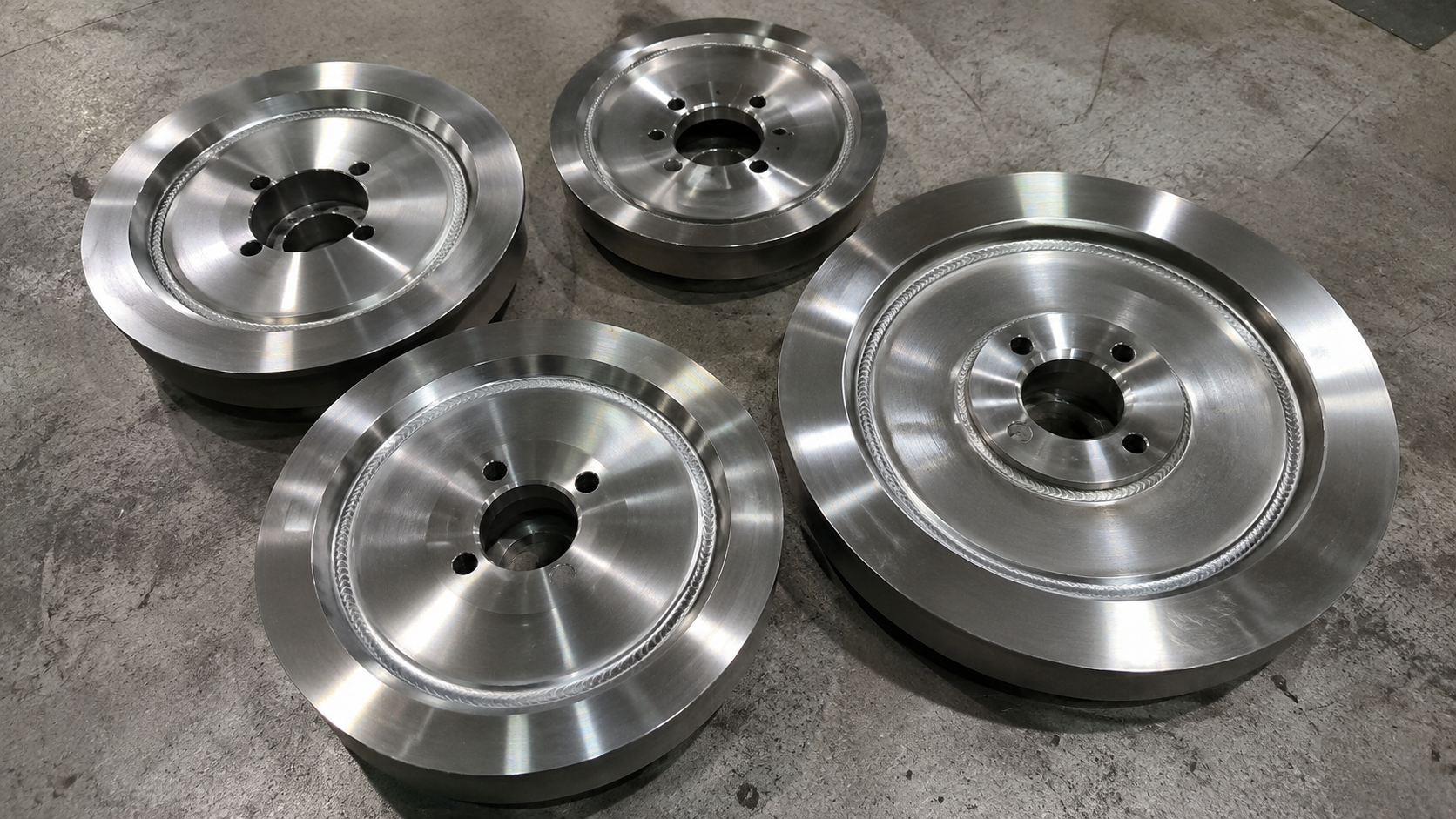
Electron beam welding is a high-energy-density welding technology. It focuses a high-speed electron beam on the joint in a high vacuum, achieving deep penetration and a precise bead shape. Operating in a vacuum, it can suppress oxidation and contamination and reduce the heat-affected zone and distortion. This makes it advantageous for welding aluminum alloys and precision components. The process is suitable for manufacturing aluminum defense components, aircraft and marine structural components, sealed housings, and high-strength lightweight components. Precisely controlling beam power, focus, and travel speed according to the alloy type, thickness, and surface condition is key to ensuring quality.
Friction Stir Welding (FSW)
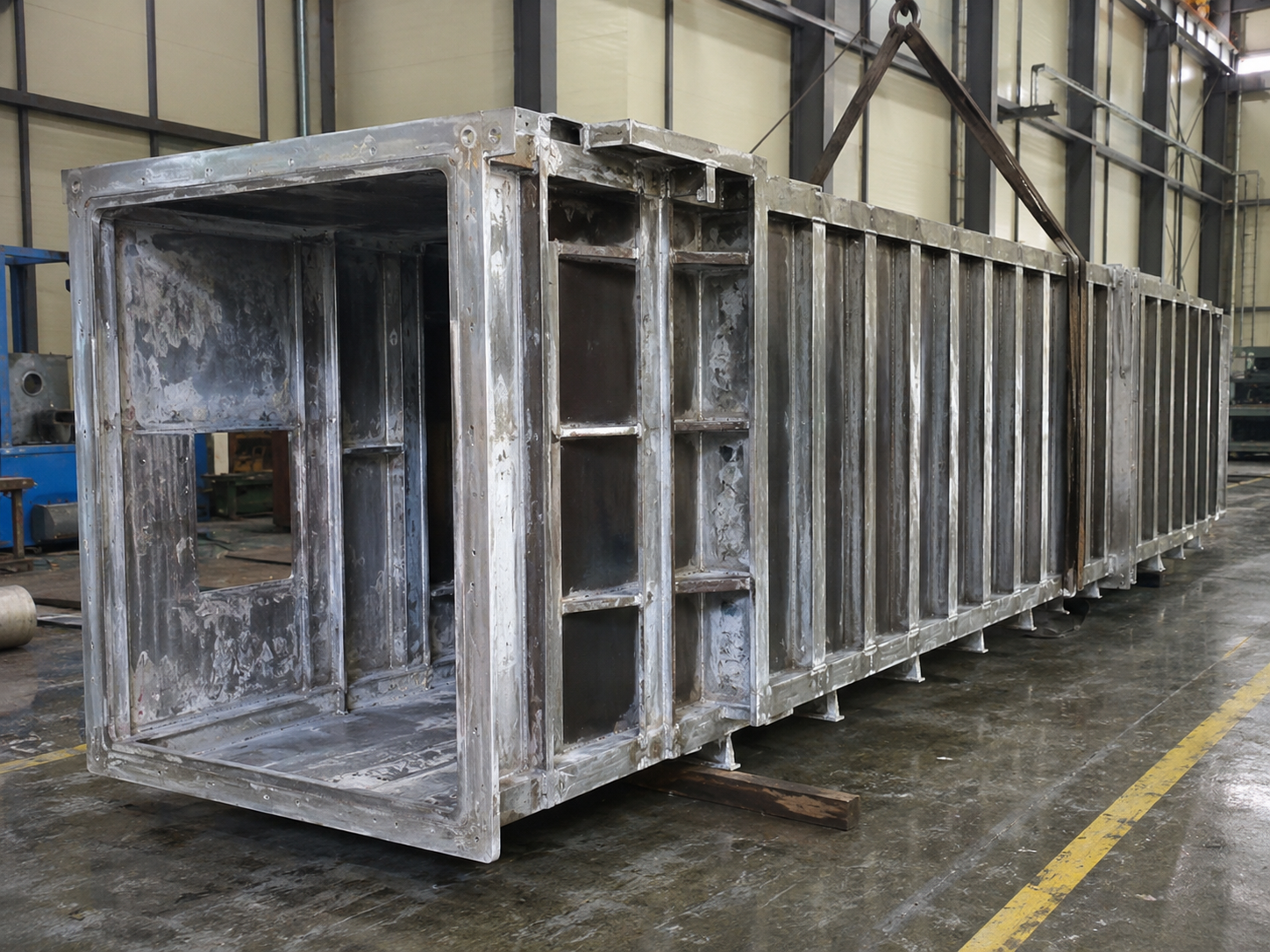
Friction stir welding is a solid-state joining technology. It uses frictional heat and plastic flow generated by a rotating tool to join the base metal without melting it. It can reduce the porosity, solidification cracking, thermal distortion, and loss of strength to which aluminum alloys are prone. This makes it advantageous for ensuring high joint quality and dimensional stability. The process is suitable for joining large structures. Examples include aluminum armor panels, lightweight structural members, and the panels and frames of special vehicles, naval vessels, and aircraft equipment. We precisely control parameters such as tool geometry, rotational speed, travel speed, and axial force to ensure quality and reproducibility.
Precision Laser Beam Welding (LBW)
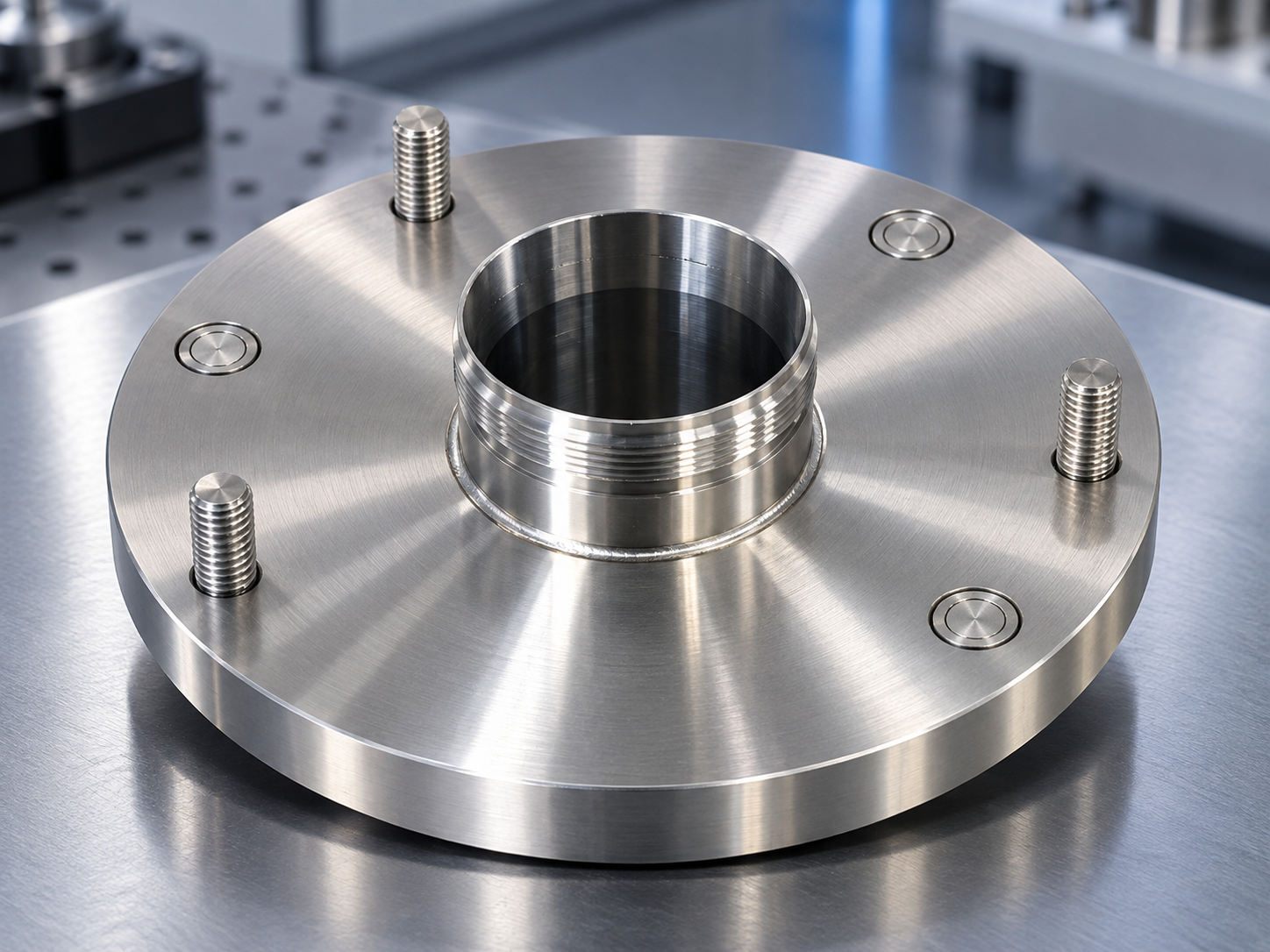
Precision laser welding is a high-precision welding technology that focuses a high-energy laser beam on a localized area to achieve narrow, deep penetration. It produces a small heat-affected zone and low distortion, and, as a noncontact process, it allows precise control. As a result, it can be applied reliably to thin sheets, complex geometries, and precision components. The process is applicable to various materials, such as aluminum alloys, stainless steel, and specialty alloys. It is suitable for manufacturing defense components that require high dimensional accuracy and consistent quality. Examples include electronic equipment housings, lightweight structures, and battery components. We precisely control laser power, focal position, welding speed, and shielding gas parameters to ensure weld quality and reproducibility.
Welding for Specialty Materials
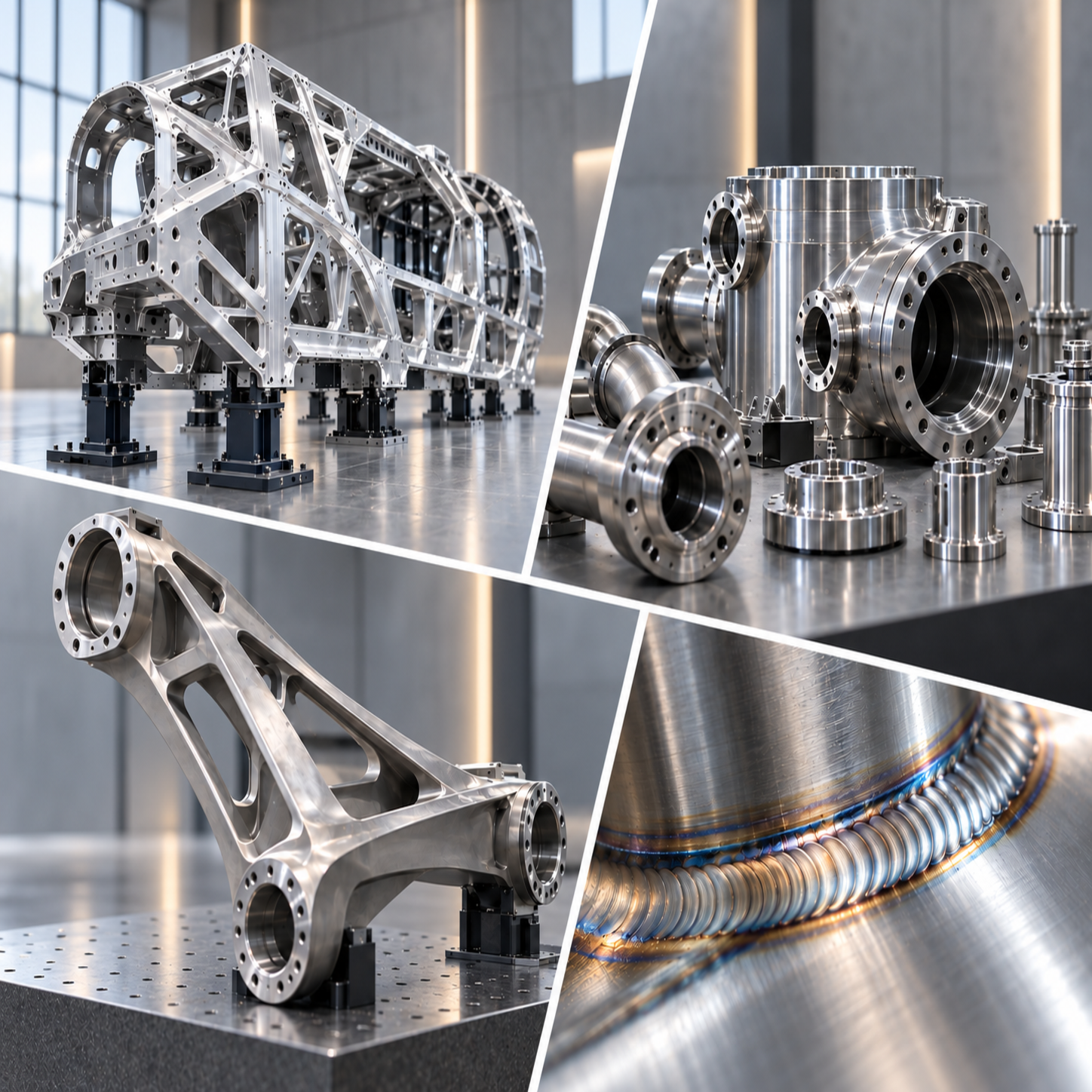
Aluminum alloys, stainless steel, titanium, and high-alloy steel differ in thermal conductivity, melting behavior, susceptibility to oxidation, and thermal distortion. We select welding methods, including TIG and laser welding, and optimize parameters for each material, component geometry, strength requirement, and service environment. Our equipment and automation systems are designed for precision welding under these conditions. We precisely control laser power, welding speed, heat input, shielding gas, jig restraint conditions, and robot paths. We apply this precise control to lightweight structures for defense applications, precision mechanical components, electronic equipment housings, and specialty mobility components. We also link process monitoring and quality control technologies to improve repeatability and reproducibility.